Collision repair in Plano, TX.
Auto collision repair done properly: panel replacement, refinishing, and the insurance claim handled, all under one roof in Plano. Nothing subcontracted, nothing rushed to hit an insurer's cycle time, and a workmanship warranty that lasts as long as you own the vehicle. Extreme Hail & Collision has handled collision repair in Plano since 2022, with a 5.0 rating on Google.
 In-house
Panel work after an impact.
An impact rarely stops where you can see it. Energy travels along a panel and into whatever is bolted behind it, which is why a vehicle can look nearly fine at the bumper and still have a door that no longer closes cleanly.
Auto collision repair starts with taking enough apart to see what actually moved. Then the panels come back to shape, or they get replaced, and the gaps get set so they read the way they did before the accident.
- Full impact assessment before any work starts, including panel gaps and door fit, so what moved behind the panels is known before you commit
- Body panel replacement with correct gaps and alignment
- Fender, door and quarter panel repair
- Bumper repair and replacement, including sensors and mounting hardware. Panel and body work in detail is on our auto body repair page
- Aluminum panel work, which behaves nothing like steel and is handled accordingly
- Mechanical work that comes with the impact, covered on our automotive repair page
Where the paint is unbroken and the metal only needs pulling, paintless dent repair is faster and cheaper, and storm damage across several panels is hail damage repair rather than collision work. We tell you which one you have at the estimate.
The impacts we see most.
Rear-end
The most common accident we see. You are sitting at a light, or the highway comes to a stop quickly, and the driver behind you is on their phone. Bang. You pull off to the side of the highway, and the bumper looks repairable. Once the vehicle is in a repair facility, there are often thousands of dollars in additional damage behind it. A bumper job very often has hidden damage. We document that damage, write it into the estimate, and send it to your insurance company for you.
Parking lot
Often a low-speed impact to the corner of a bumper, a door, or a fender. The typical fender bender. We take a look and tell you whether it is an easy fix, or whether the cost warrants contacting your insurance.
Side impact
A green light at a small intersection, and a distracted driver who might be speeding. Glass breaks and metal bends. These can be some of the worst impacts a vehicle undergoes. We check everything from the fit of the doors to the function of your windows, locks, and mirrors, and we look for signs of underlying damage, all before we begin your quote.
Front-end
Construction at an intersection off Preston and Legacy, and the vehicle in front of you suddenly stops. A low-impact collision can do more damage than you think. It may not just be the plastic outside. It can be impact bars, radiators, condensers, radiator supports, and headlight tabs. We look for the signs of underlying or hidden damage, all before we put pen to paper.
Whichever one you had, the collision repair assessment is the same, and the estimate is free.
What we assess before quoting.
Every impact gets looked at properly before a number goes on paper, because the visible damage is rarely the whole story.
- Panel gaps and door fit, which tell you whether anything behind the panels has moved
- Bumper reinforcement, absorbers and brackets, which sit behind a cover that often looks repairable
- Cooling components and lines, since a front impact reaches them first
- Suspension and steering geometry, checked with an alignment after any repair that could have disturbed a mounting point
- Sensors, cameras and radar units disturbed by the impact or by the repair itself
Where damage goes beyond panel and cosmetic work, we tell you in the estimate rather than after the vehicle is apart. You get the full picture before you decide anything.
Color matching
Refinishing is matched to the vehicle as it looks today rather than to the paint code alone, then blended into the adjacent panels so the transition falls where the eye does not go looking for it. The full process is on our auto paint shop page.
Written to pre-loss condition.
Pre-loss condition is the standard a collision repair should be measured against. It means the vehicle comes back the way it was before the accident, in appearance, in panel fit, and in how it drives.
It matters because an estimate can be written to a number instead of to a standard. Operations get dropped, a panel gets filled where it should have been replaced, the blend gets skipped so the paint stops at a hard edge, the alignment never gets checked. The vehicle leaves looking fine under shop lights and wrong on the road three weeks later. When a carrier's estimate falls short of pre-loss condition, Extreme Hail & Collision documents the gap and takes it back to them.
What to do after a collision.
Get somewhere safe
Check on people first. Everything else can wait.
Photograph the scene
Before vehicles move, if it is safe to do so. Wide shots showing position, then close-ups of the damage on both vehicles, plus plates and the other driver's insurance card.
Exchange information
And file a report if anyone is hurt or the damage is significant.
Call your carrier
Open the claim, but do not agree to a shop on that call. You choose who repairs your vehicle.
Get a proper assessment
If it needs a tow, have it brought here rather than to a storage yard, where daily fees start immediately. If it should not be driven but is not undrivable, we will collect it at no charge.
Sensors and calibration after a collision.
Modern vehicles watch the road with cameras and radar, and most of that hardware is mounted exactly where impacts land. A forward radar sits behind the grille or in the bumper beam. A camera sits at the windshield. Blind spot sensors sit in the rear quarters.
Move any of them, even slightly, and the system aims somewhere other than where it thinks it does. Manufacturers require recalibration after repairs that disturb them, and a vehicle that skips it can leave the shop with lane keeping and automatic braking quietly misjudging distance.
Scanning before and after. A modern vehicle can log a fault without ever lighting the dashboard. A pre-repair scan reads every module before work starts, so damage that would otherwise surface weeks later gets into the estimate while the claim is open. A post-repair scan confirms the modules cleared once the work is done. Insurers pay for both, and skipping them is how a vehicle leaves a shop with a fault nobody knew was there.
Calibration and auto glass are the only two things we send out, both to a specialist who does nothing else, and we book and coordinate them as part of the repair. One drop-off, one collection, one invoice.
If your carrier calls it a total loss.
A carrier declares a total loss when the repair estimate gets close enough to what the vehicle is worth. The threshold varies by insurer and by state, and the number they compare against is the vehicle's actual cash value, not what you paid or what it would cost to replace.
Two things are worth knowing before you accept it.
The repair estimate itself can be wrong in either direction. An estimate padded with replacement where repair would do can push a repairable vehicle over the line. One written short can leave real damage unpaid. As an independent shop, Extreme Hail & Collision writes what the vehicle actually needs, and we are happy to look at a carrier's estimate with you before you sign anything.
The valuation is negotiable too. Actual cash value is an opinion built from comparable listings, and comparables are frequently chosen badly. Service records, recent tires, low mileage, and options all move that number. You can dispute it.
We do not buy vehicles, and we have nothing to gain either way, which is exactly why it is worth a second opinion before the tow truck comes.
What collision repair costs.
Collision estimates here are free, and the number depends on things that have to be seen rather than described over the phone. These are the variables that move it most.
- How far the impact travelled behind the panels, which is the single biggest unknown until the vehicle is apart
- Repair or replace on each panel, since a panel that can be worked back costs considerably less than a new one fitted and painted
- How many panels need paint, and how far the blend has to travel into the ones next door
- Color type, climbing from solid through metallic and pearl to three-stage finishes
- Parts, and whether they are available. Part supply decides the timeline more often than the labor does
- Calibration, if the repair disturbs a camera, radar, or blind spot sensor
Hidden damage is normal on impact work, not a sign something went wrong. When it turns up, we document it, photograph it, and file a supplement with your carrier. You hear about any change in scope from us before it happens, never on collection day.
The claim, handled
We are an independent shop, not a direct repair program member. A DRP shop is on the insurer's list because it agreed to the insurer's pricing and cycle times, a good arrangement for the carrier. We never signed one, so when an adjuster's estimate misses a part, prices an operation short, or omits the blend on an adjacent panel, we document it and file a supplement.
You choose your repair shop in Texas, regardless of what you are told on the phone. Bring us the claim number, and we will take the rest of that conversation off your hands.
On smaller accident repair jobs, it is worth checking the number against your deductible before filing at all. If the repair costs less, paying directly is usually cheaper once you account for what a claim does to your record, and we will tell you when that is the case.
Our workmanship is warranted for as long as you own the vehicle.
If something we repaired fails, bring it back, and we will make it right. No time limit, no mileage cap, no proration. It covers our labor, not new damage, not normal wear, and not the manufacturer's own paint defects.
The warranty stays with you as the owner and does not transfer at sale.
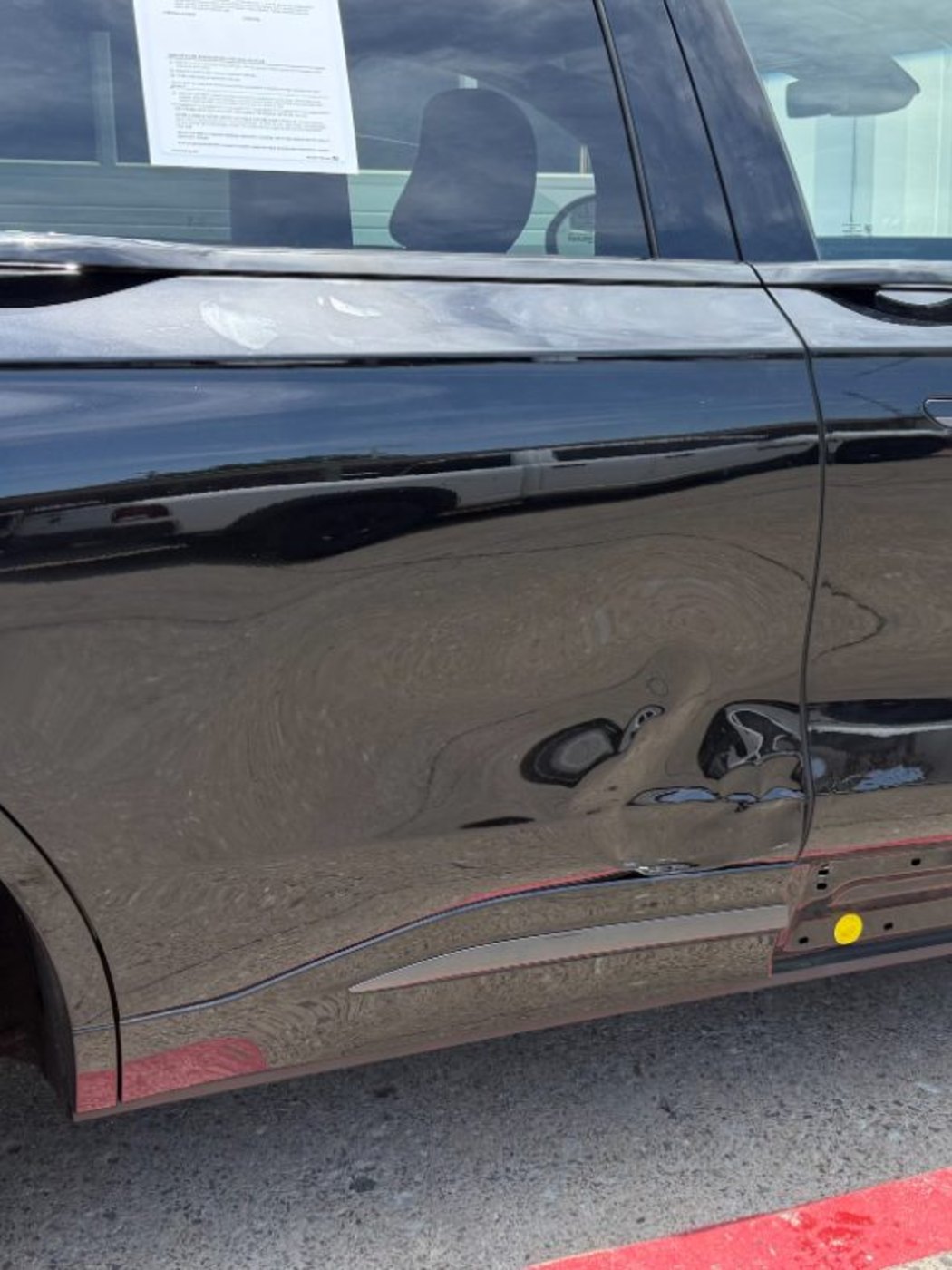
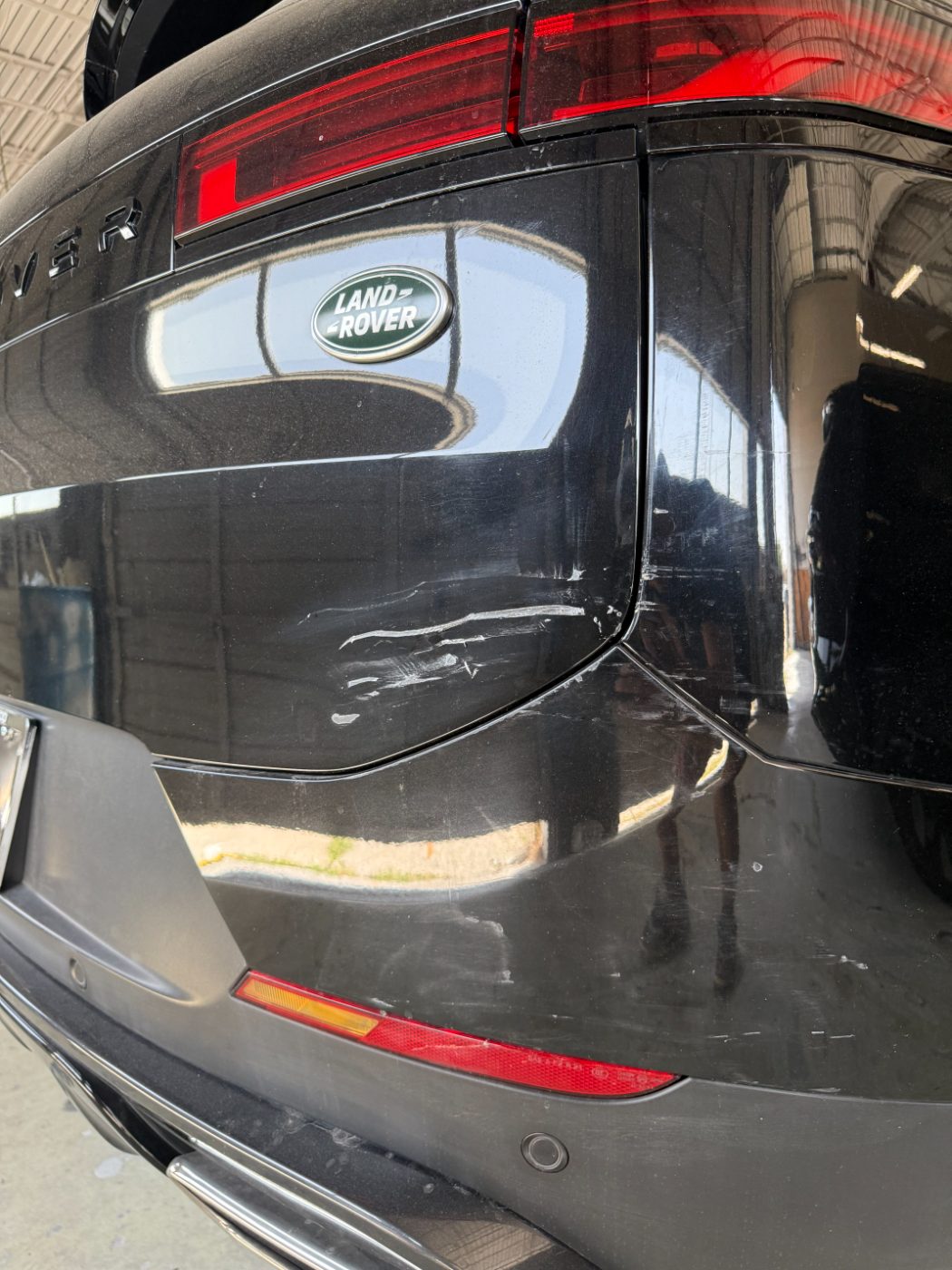
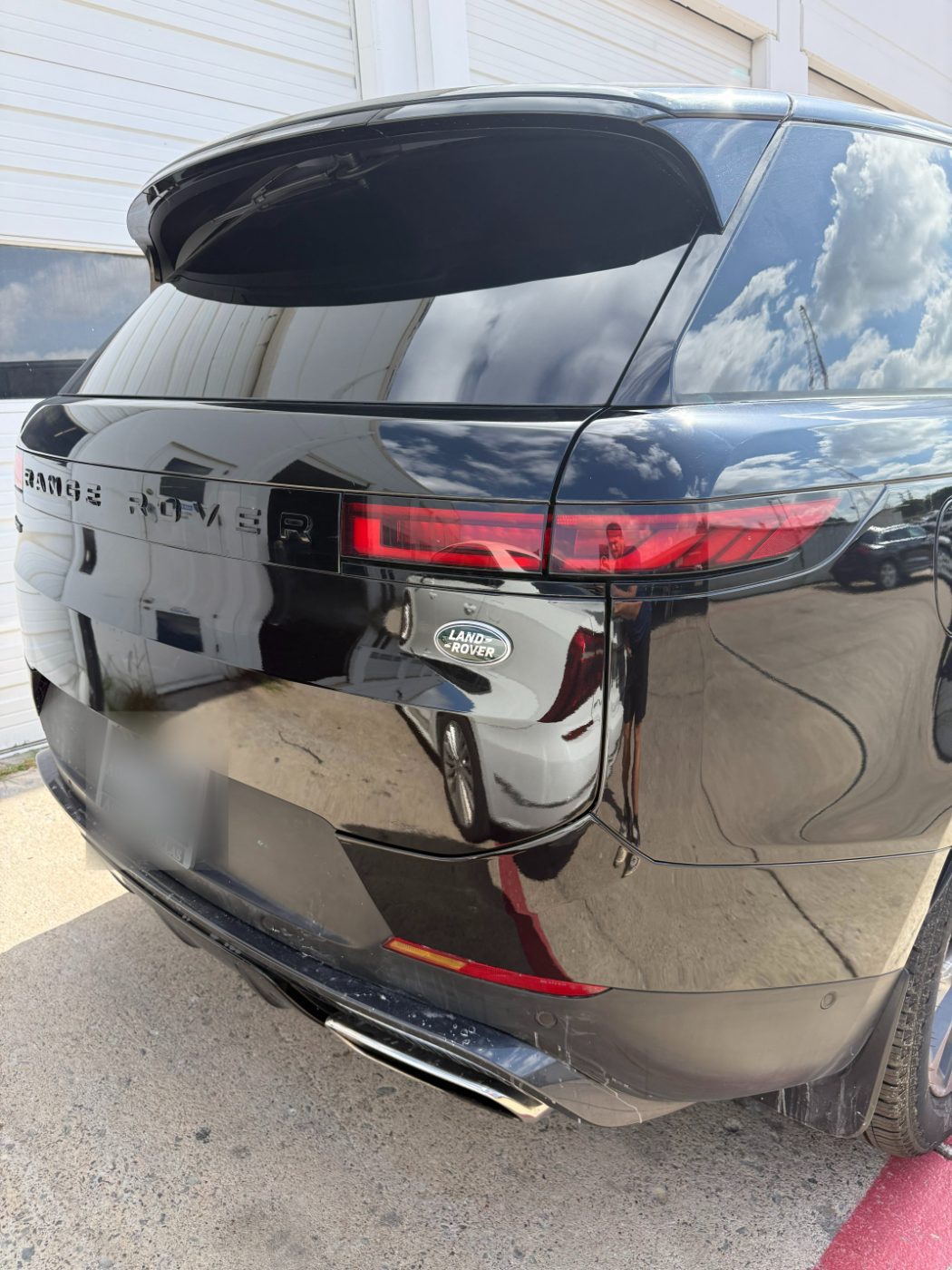
Recent work.
 BeforeAfter
 Before
 After
After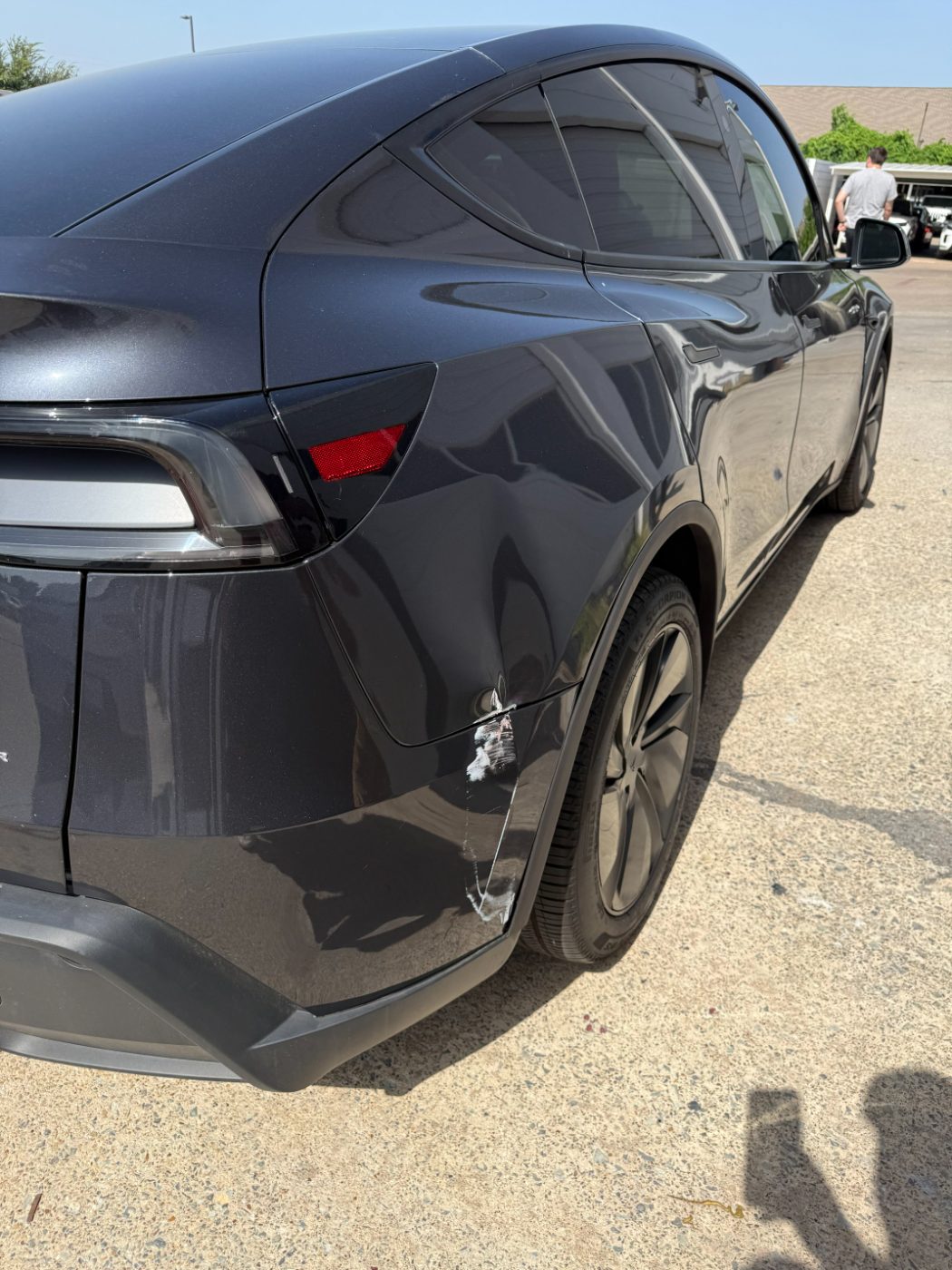 Before
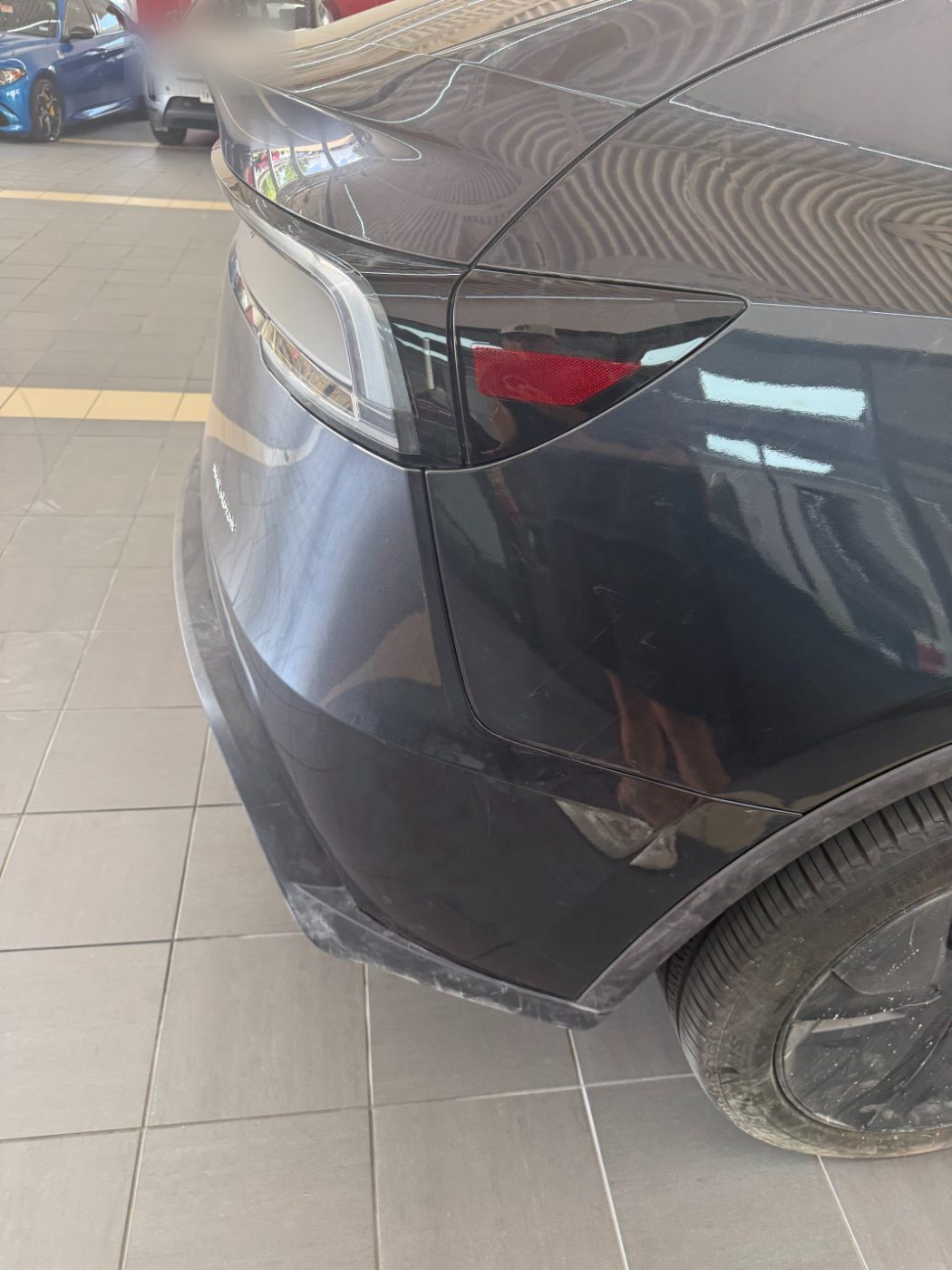 After
After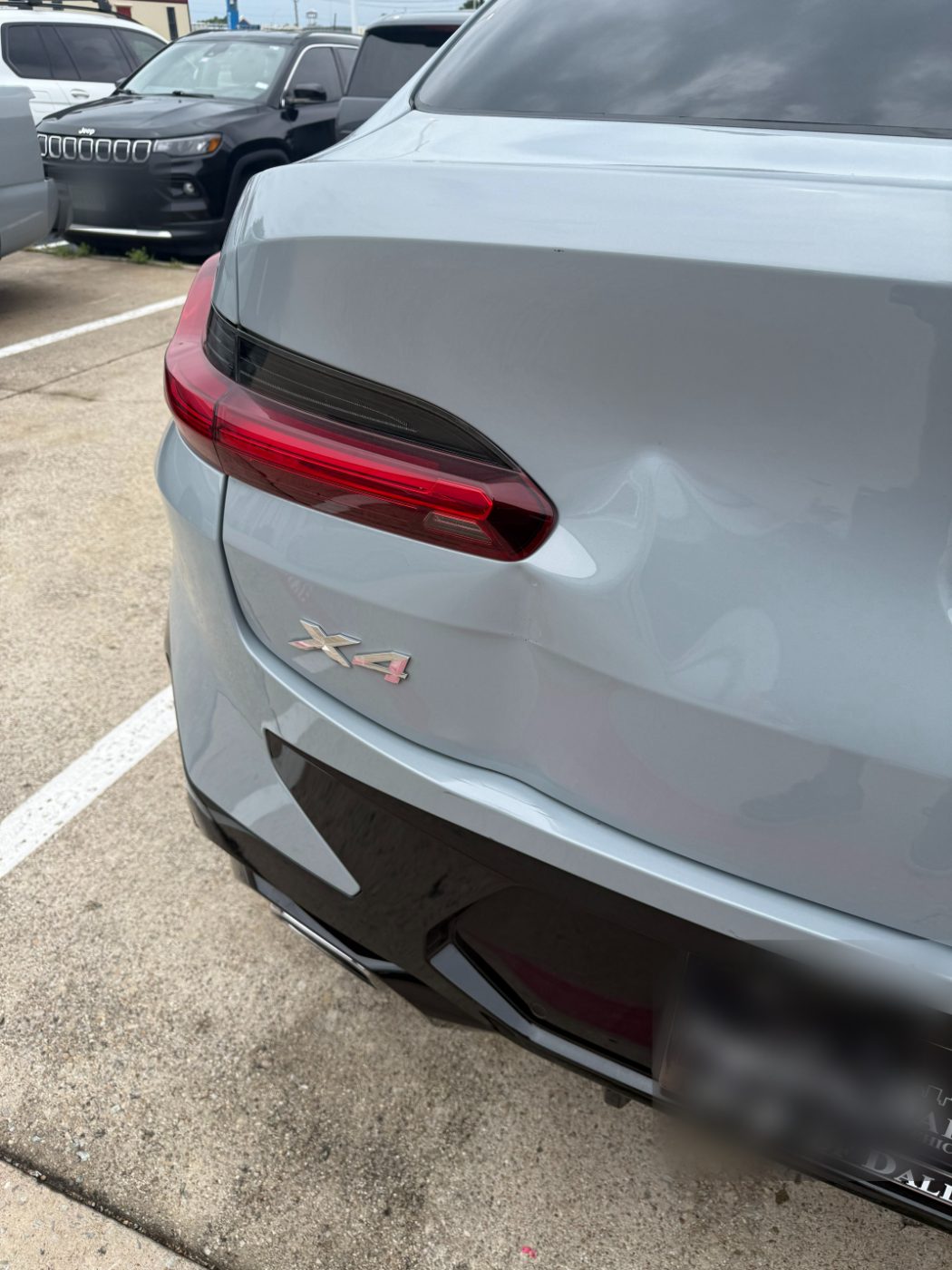 Before
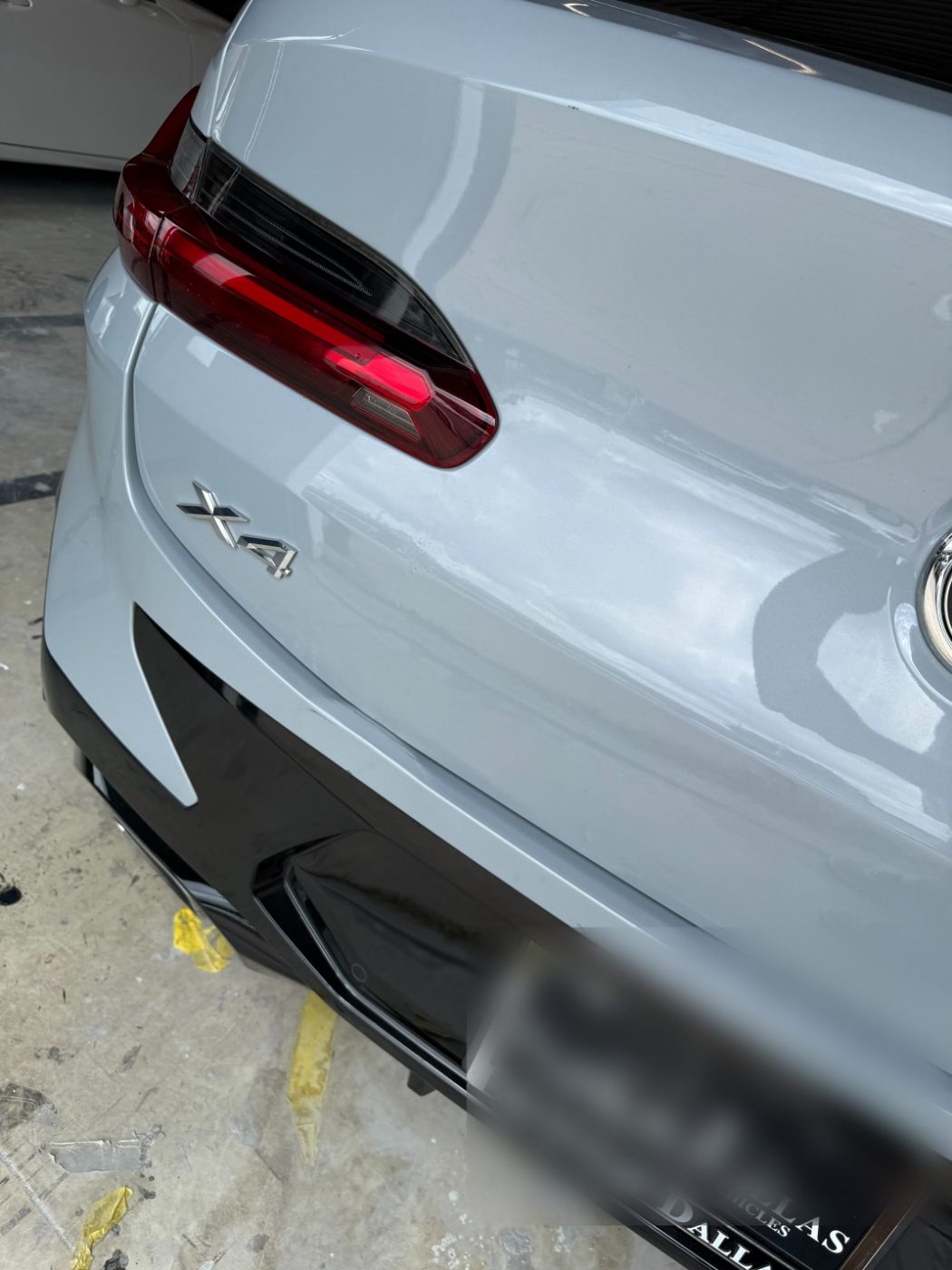 After
After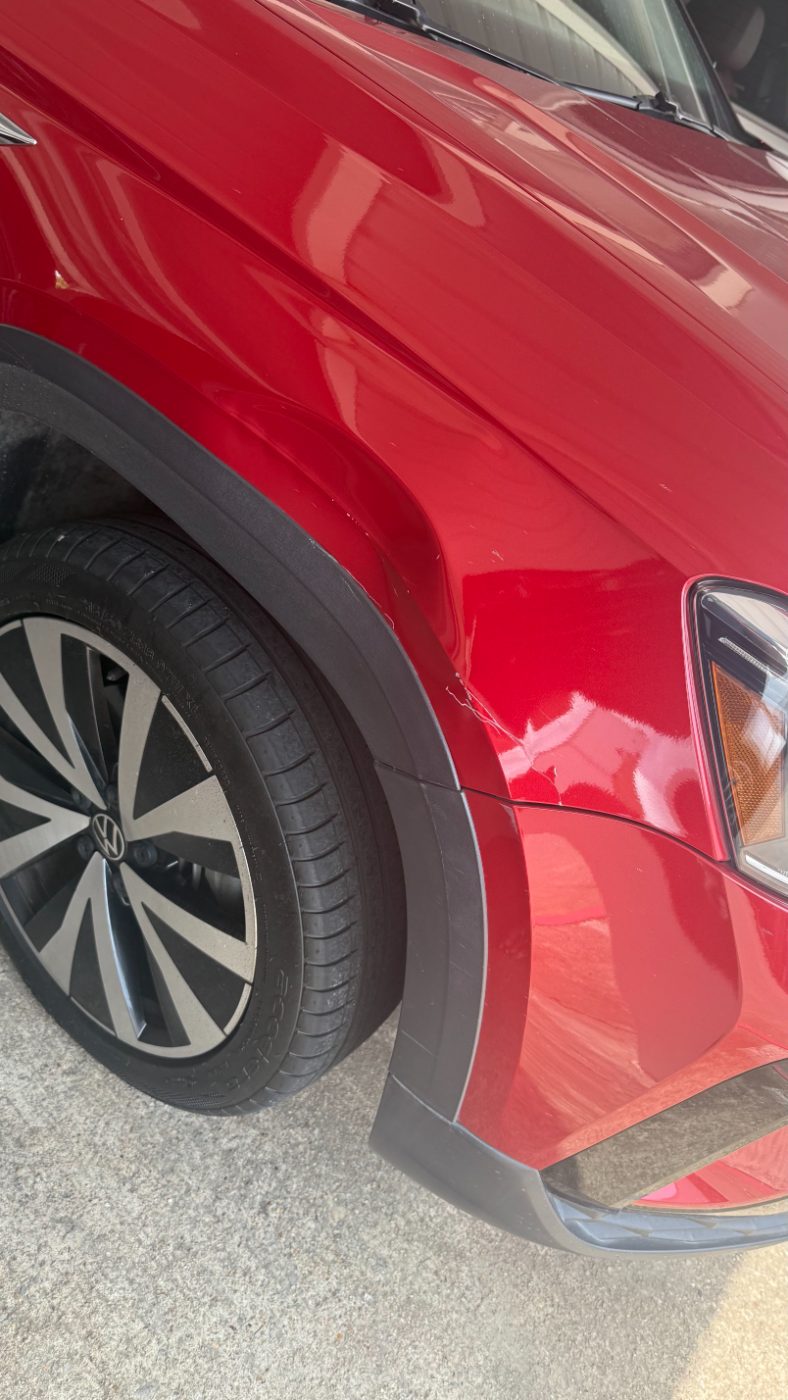 Before
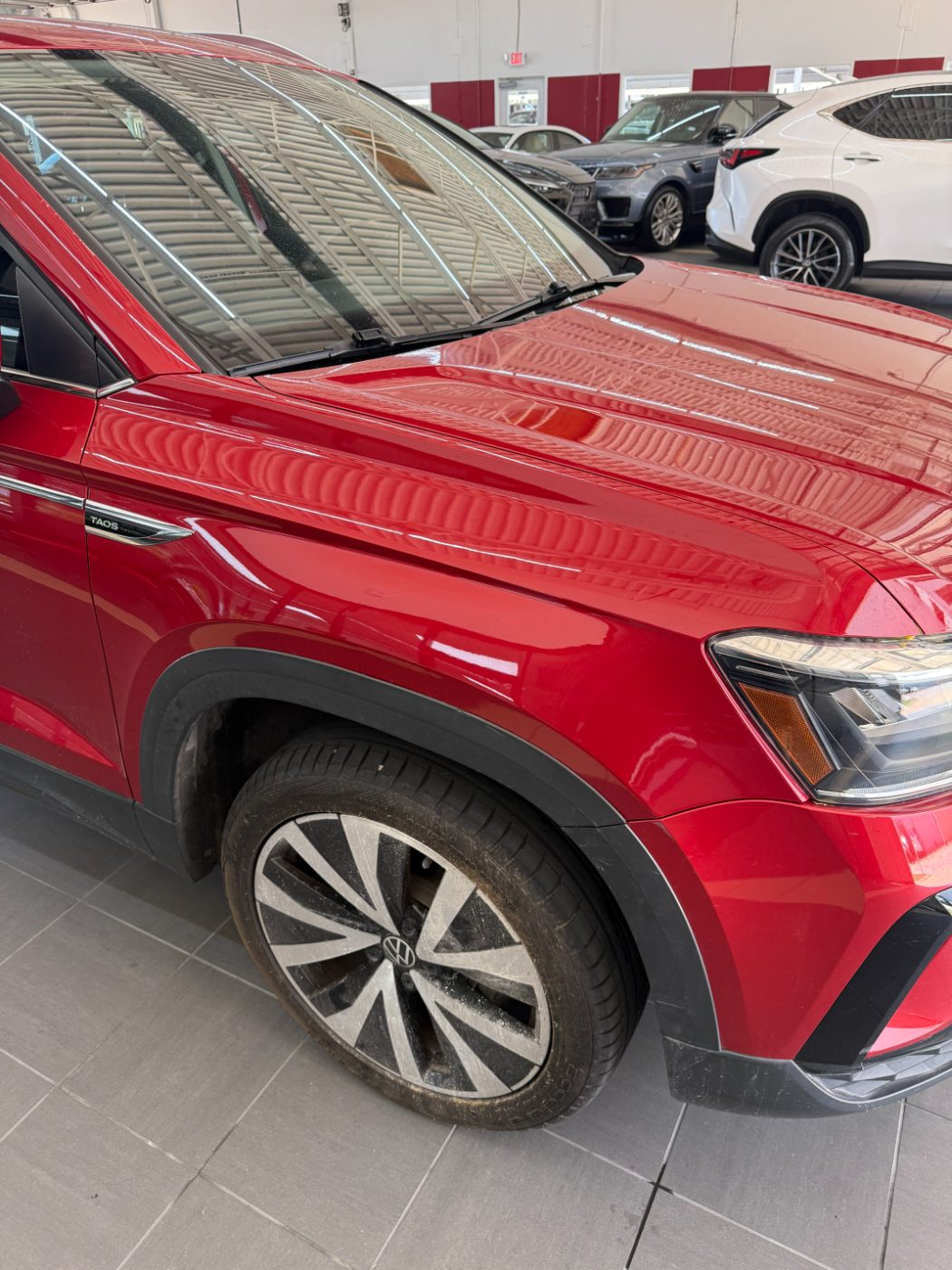 After
AfterAcross North Texas.
Wrecks happen on roads, not in cities, and the roads around here are the reason our collision repair work looks the way it does.
The Dallas North Tollway and US-75 run either side of us, and rush hour on both produces the rear-end work that fills a body shop. SH-121 and the George Bush Turnpike add the merge and lane-change impacts. Preston Road and Legacy Drive deliver the intersection collisions, which tend to be the heavier jobs.
That road network is why our vehicles arrive from where they do. Most are from Plano itself. Richardson and Carrollton come in off the George Bush. Frisco and Allen follow the Tollway and 121 south to us. McKinney and the northern county usually arrive after a carrier's preferred shop quoted a three-week wait.
Our shop is at 1101 Ohio Dr #111 in West Plano, 75093, just off the George Bush Turnpike and Preston Road, with parking at the door.
The difference with collision work is that the vehicle often cannot make the trip. If yours should not be driven, do not drive it. Free pickup covers the metroplex out to Dallas, Garland, Wylie, Prosper, Celina, and The Colony. We take delivery directly from a tow, and we coordinate a rental against your claim so you are not stranded while the repair runs.
Extreme Hail & Collision has handled collision repair in Plano, TX since 2022 and holds a 5.0 rating on Google. Family-owned, veteran-owned, Latino-owned, and not a direct repair partner for any insurance company. Read the reviews.
Collision questions.
Do I have to use the body shop my insurance company recommends?
No. In Texas, you choose who repairs your vehicle. A shop on the insurer's list is there because it agreed to that insurer's pricing and cycle times. Extreme Hail & Collision is independent, which means when an estimate misses something, we go back to the adjuster on your behalf.
What does pre-loss condition mean?
It means the vehicle is returned to the condition it was in before the accident, in appearance, in panel fit, and in how it drives. Extreme Hail & Collision writes every collision repair to that standard and documents the difference when a carrier's estimate falls short of it.
Will the new paint match the rest of my car?
Yes. We match to the vehicle as it looks today rather than the paint code alone, then blend into the adjacent panels. The full refinishing process is covered on our auto paint shop page.
How much does collision repair cost?
It depends on how far the impact travelled, how many panels need repair or replacement, the color type, and whether calibration is required. Collision estimates at Extreme Hail & Collision are free and written, so you get a real number before committing.
What does the lifetime warranty cover?
Our workmanship, for as long as you own the vehicle. If something we repaired fails, bring it back, and we will make it right. It covers our labor, not new damage, normal wear, or the manufacturer's own paint defects.
How long will my collision repair take?
Light panel work is often under a week. A job waiting on back-ordered parts runs longer. Parts availability is usually the variable rather than the labor, and we tell you when a part is holding the job rather than letting the date quietly slip.
Why did the estimate go up after you started?
Because damage behind the panels is only visible once they come off, which is normal on impact work. The extra work is documented, photographed, and submitted to your carrier as a supplement. You hear about a change in scope from us before it happens.
Does my vehicle need recalibration after a collision repair?
If it has cameras, radar, or blind spot sensors, almost certainly. Those systems are aimed relative to the panels around them, so a repair that disturbs one changes where it looks. Extreme Hail & Collision scans every module before and after the work and coordinates calibration with a specialist as part of the job.
What if the damage goes beyond panel work?
We assess every impact fully before quoting, including panel gaps, door fit, bumper reinforcement, cooling components, and suspension geometry. Where damage runs deeper than panel and cosmetic repair, we tell you in the estimate rather than after the vehicle is apart, so you can make the call with the full picture.
Is my vehicle safe to drive to the shop?
Often yes, if it steers straight, stops properly, holds fluid, and has working lamps. Call first if the steering pulls, a warning light came on at impact, fluid is leaking, or a wheel sits at an odd angle. Free pickup is available across the area.
What happens if my vehicle is declared a total loss?
Your carrier compares the repair estimate against the vehicle's actual cash value. Both numbers can be wrong. Extreme Hail & Collision will review a carrier's estimate with you before you accept a total loss, and the valuation itself is negotiable using service records, mileage, and options.
Do I need to file a claim for a fender bender?
Often not. A low-speed parking lot repair frequently costs less than a standard deductible, so paying directly can work out cheaper once you account for the claim on your record. Bring it by, and we will give you the number first.
Where to next.
Auto body repair
Dents, bumpers, rust, and scratches, repaired before replaced.
Read more →MechanicalAutomotive repair
Suspension, steering, cooling, electrical, and alignment after an impact.
Read more →RefinishingAuto paint shop
Matched to your vehicle as it looks today and blended so the repair disappears.
Read more →Pull in. We'll take it from here.
Walk-in evaluations are free, and most take less than fifteen minutes. Call ahead if you want, but you don't have to. We are at 1101 Ohio Dr #111 in West Plano, 75093, just off the George Bush Turnpike and Preston Road.
Plano, TX 75093
Clearfield, UT 84015